Not every situation can be handled with standard weekly pickup. In larger cities and metro areas, families and businesses often turn to professionals offering waste disposal in Los Angeles when they need help with larger loads or specialized materials. This shows that proper disposal depends on more than a single trash can. It requires thoughtful planning, reliable equipment, and experienced people doing the work behind the scenes.
Why is Proper Waste Management Important?
When garbage is not handled properly, the damage can spread fast. Piles of uncollected waste attract rodents and insects, which can carry diseases. Chemicals from broken electronics or old cleaning products can seep into soil and drinking water. Burning trash in the open releases toxic fumes that harm the air we all breathe.
That is why communities need solid waste management systems in place. A good system collects timely trash, sorts recyclables, and keeps harmful materials away from nature. It also helps cut greenhouse gas emissions by keeping organic waste out of landfills. When food scraps are composted instead of dumped, they create healthy soil instead of harmful methane.
Proper waste disposal also makes good business sense. Companies that produce large amounts of junk or bulky items often hire reliable services to get rid of them. For example, people and businesses in big cities rely on expert services for junk removal in Los Angeles when they need help clearing out old furniture, renovating debris, or doing large household cleanups. This kind of extra support keeps neighborhoods cleaner and waste out of the wrong places.
Benefits of Proper Waste Disposal
When a community handles waste properly, everyone wins. Streets and yards stay clean and free of junk piles. Less garbage ends up in rivers or empty lots. Neighborhoods look better, and people feel safer and healthier.
Proper waste disposal also saves money in the long run. Recycling means we do not need to dig up as many new raw materials. Composting cuts down on the cost of waste transport and keeps harmful gases out of the air. When done right, good waste management supports local jobs, too, since recycling centers and composting programs need trained workers to keep them running.
Another benefit is that a good disposal plan helps in emergencies. Imagine the aftermath of a house fire or storm damage. If waste from these events is not cleaned up correctly, it can contain dangerous debris or chemicals. That is why many homeowners call trusted crews who specialize in fire damage cleanup to handle what they cannot safely deal with alone.
The Problem of Waste
Waste does not just disappear when you roll your bin to the curb. Around the world, cities produce billions of tons of waste every year. In some areas, trash piles up so quickly that disposal services can barely keep up. When systems break down, illegal dumping, polluted waterways, and smoggy air often follow.
Part of the problem is the throwaway lifestyle that so many people now live. Single-use plastics, packaging, old electronics, and cheap furniture add up fast. Without enough recycling or composting options, this waste usually ends up buried in landfills or dumped where it should not be.
Types of Waste & Environmental Impact
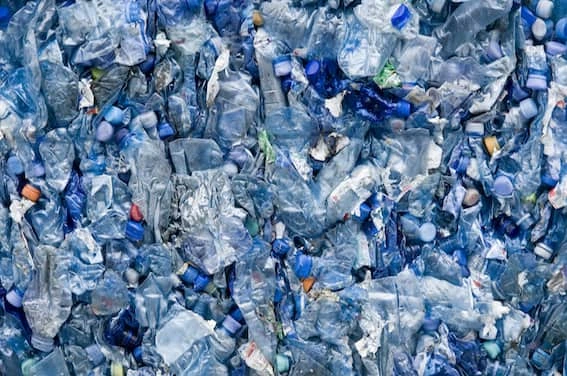
Waste comes in multiple forms, each with its own headaches. Take plastic packaging, for instance. Those containers and wrappers don’t just disappear. They can stick around in rivers or the ocean for hundreds of years, putting animals at risk and clogging up drains.
Old electronics are another one. Toss out an old phone or laptop, and the heavy metals inside can leak into the ground. Over time, that mess ends up in our water supply. Even yard clippings and leftover food scraps can cause problems when they’re dumped the wrong way. When organic waste sits in a landfill, it breaks down and releases methane, a greenhouse gas way stronger than carbon dioxide.
Then you’ve got debris after a storm, renovation, or fire. That waste often contains chemicals or hazardous materials that need extra care. If it’s not handled properly, it can harm the land and water even more.
One of the simplest ways to help? Sort your trash. Keep plastic, metal, glass, and organics separate so they can be recycled, composted, or treated the right way. A little effort at home, at work, or on job sites helps keep pollution out of our soil and water, and makes recycling way more efficient.
Waste Generation & Disposal Stats
Cities and towns produce billions of tons of garbage every year. Waste crews in big cities pick up thousands of tons daily. Without a good system of trucks, bins, and sorting centers, garbage would pile up fast.
If that system breaks down, trash ends up in empty lots, in rivers, or on the side of the road. And the truth is, as populations grow and buying habits change, we’re making more waste than ever. That’s why communities need strong plans and teamwork from residents, businesses, and city services to keep it all under control.
Risks of Poor Waste Management
When waste isn’t handled right, the problems show up quickly. Piles of garbage attract rats and bugs that carry disease. Old batteries, leftover paint, or broken electronics can leak chemicals into the soil, making groundwater unsafe to drink.
Food scraps and yard waste that could’ve been composted end up in landfills, adding to methane emissions and speeding up climate change. After major weather events, clean-up crews often deal with debris that’s loaded with toxins. Regular landfills can’t handle that safely, so trained professionals need to step in to remove and process it the right way.
Tree Integration in Business
Some businesses and local governments are adding trees, gardens, or green spaces around office buildings. It’s a smart move. Plants help soak up carbon dioxide, clean the air, and decrease noise levels. Green areas also make these sites nicer places to work and live near.
Putting landscaping around a waste management site might not fix the trash problem overnight, but it’s one step that helps the environment and the neighborhood at the same time.
Sustainable Waste Solutions

Good waste management involves creating less trash to begin with and reuse or recycle as much as possible.
3 R’s: Reduce, Reuse, Recycle
These three steps work best when they complement each other. If we cut back on things we don’t really need, there’s less waste to deal with later. Reusing keeps items out of landfills longer and saves money. Recycling keeps materials like metal, glass, and paper in use, so we don’t have to dig up new resources all the time.
Many professional waste services sort and recover recyclables, making it easier for households and businesses to stick to these habits.
Composting Organic Waste
Food scraps, grass clippings, and yard waste belong in the compost pile, not the trash. Composting turns leftovers into soil that helps gardens and farms grow. It also keeps organic material out of landfills, which means less methane in the atmosphere. A lot of towns and cities now offer curbside compost pick-up or drop-off sites to make it easy to get started.
Waste-to-Energy Solutions
Even after recycling and composting, trash still can’t be reused. Some cities now use waste-to-energy plants to burn that leftover waste in a controlled way, producing electricity or heat. However, it’s not a perfect solution; recycling and composting should always come first. Undoubtedly, waste-to-energy solutions help reduce the amount of waste going into landfills and reduce fossil fuel use.
Producer Responsibility (EPR)
Big companies play a huge role in how much waste ends up in the system. More and more businesses are now being pushed to design products that are easier to recycle and to help cover the costs of disposal when those products are done.
Zero Waste Approach
In many cities, people aim for “zero waste” goals, trying to send as little as possible to the landfill. But this only works if everyone does their part: households sort trash right, businesses find reliable waste services, and local governments provide composting and recycling options that actually work.
Conclusion
Proper waste disposal is not just a chore on the to-do list. It is one of the smartest ways to protect our communities, environment, and future. Every household, every business, and every city has a part to play in getting it right.