What Is Cold-Formed Steel (CFS)?
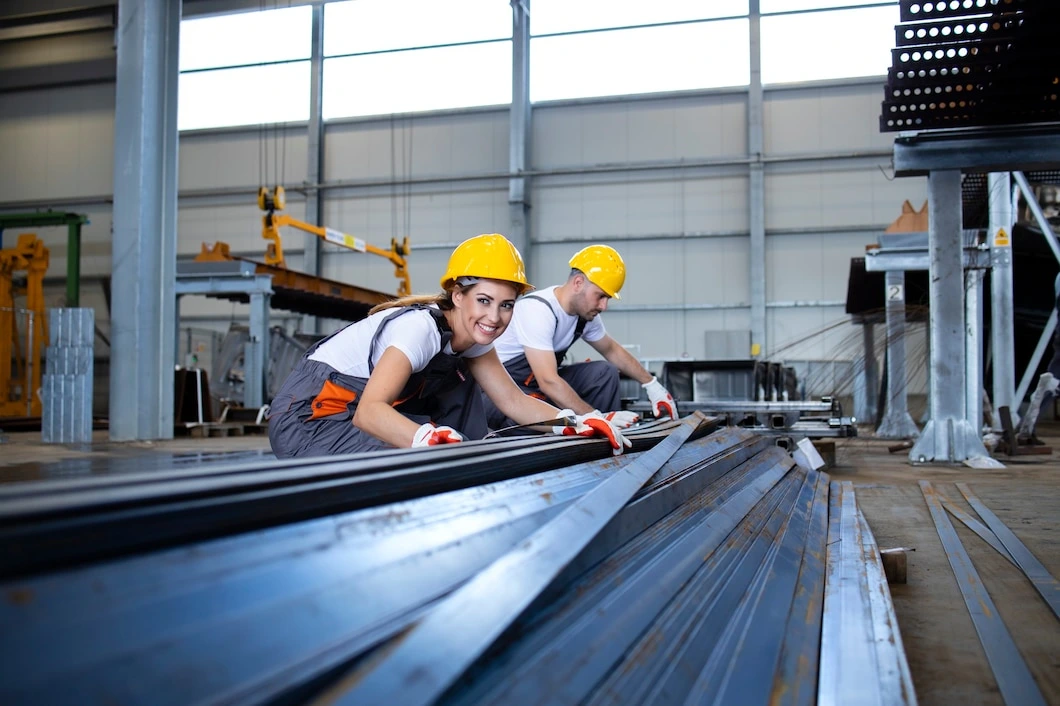
Cold-formed steel is produced by rolling thin steel sheets at room temperature. This does not involve heat, so it is a simpler and faster process than steelmaking. It makes a strong, lightweight framing material.
You will see CFS used in cold-formed steel buildings, wall studs, and light commercial construction. In many cases, CFS will be galvanized, which is a natural rust inhibitor and will require less maintenance.
One of the other main benefits is versatility. Often, during excavation in Los Angeles, CA, professionals can notice the use of CFS for the build. Builders can use CFS to create design details, and when building modular, lighter steel will help reduce construction time and require less heavy equipment to install.
You can add to this the reduced energy costs of transporting, installing, and maintaining; it is easy to see why it is becoming more common in the steel building industry.
What Is Red Iron Steel?
Red iron steel is what people want to use when they see large structural frames in industrial buildings. It consists of hot-rolled I-beams that have been treated with a red oxide primer by manufacturing facilities to protect the steel while it is being stored or moved. It is common to notice after any heavyweight concrete demolition in Los Angeles. This type of structural steel is much heavier than cold-formed steel and is intended to support massive loads structurally. This is where you will find red iron structural frames, in large industrial buildings, warehouses, and factories where structural support and strength are paramount.
The red treatment does help protect the steel from rust in the short term, but it will eventually rust, and the steel will be required to be painted or treated every few years. Building with red iron in general will also be slower, because cranes and other heavy equipment will be required during the construction phase.
Key Differences Between Cold-Formed Steel & Red Iron
To make things more straightforward, here’s a quick comparison:
| Aspect | Cold-Formed Steel | Red Iron Steel |
|---|
| Manufacturing | Rolled at room temperature | Hot-rolled, heavy I-beams |
| Weight | Lightweight | Much heavier |
| Strength | Best for light to medium loads | Excellent for hefty loads |
| Corrosion Resistance | Usually galvanised | Coated with red oxide primer |
| Cost | Generally lower | Higher due to weight & material |
| Installation | Faster, needs fewer machines | Slower, cranes and heavy gear required |
From a project perspective, think about the size of your project, the possible alternative foundations used, the budget, and long-term goals, and it will help you make the right decision. In most cases, cold-formed steel buildings will afford to provide a strong balance of design, customization, sustainability, and cost savings; on the other hand, red iron buildings offer maximum strength and reliability for larger builds.
Environmental Influence & Sustainability
Sustainability is an ever-growing consideration in construction decisions today. Here’s how the two compare:
Cold-Formed Steel
- Energy efficient: It is lightweight, which means less fuel is used for shipping, and it is easier to construct and install.
- Recyclable: CFS is 100% recyclable and is often manufactured from recycled material.
- Design efficiently: CFS has versatility for less waste generated during the build.
Red Iron Steel
- Energy-intensive production: Hot rolling accounts for a high level of energy consumption.
- Exceptionally durable: Red iron provides for long-lasting strength; however, it does have maintenance coatings that require periodic replacement.
- Recyclable: Like all steel, red iron steel can be recycled, but the construction process is energy-intensive.
If sustainability and energy efficiency are a high priority, cold-formed metal buildings typically have the upper hand.
Which Option Should You Opt For?
Here’s an easy way to weigh your decision between red iron vs cold-formed steel buildings:
Choose Cold-Formed Steel If:
- You want a quicker and easier installation.
- For light- to medium-load structures, like smaller warehouses, offices, or retail stores, foundation underpinning contractors pick CFS.
- Saving money is essential.
- Energy efficiency is a consideration for long-term use, and, to put it another way, you want to provide rust resistance to the steel.
Choose Red Iron Steel If:
- You’re building something massive, such as a distribution center or industrial warehouse.
- You want the most structural integrity and strength.
- You can wait for longer timelines and plan for bigger costs up front.
- Your project can handle heavier cranes and more demanding foundation requirements (or vice versa).
If your build includes groundwork, remember to consider critical services like a demolition contractor, foundation underpinning contractor, and excavation service in Los Angeles, CA. These services can impact how your steel buildings will perform in the long run.
Conclusion
Both cold-formed steel and red iron steel have their place in contemporary construction. Cold-formed steel cannot be considered stronger than red iron steel, but wit ill be lighter, quicker to install, and more sustainable, making it a solid consideration for cold-formed metal buildings and smaller commercial buildings. Red iron buildings change the game for the industry and are the workhorse of the steel building world, built to carry heavy loads for projects where structural integrity can be compromised.
Either way, increasing awareness of the differences will give you the confidence to make the right decision for you and your builders, together with a plan going forward that meets your immediate needs and sets up your future growth.