Contact Us
18717 Parthenia St #10,
Northridge, CA 91324, United States

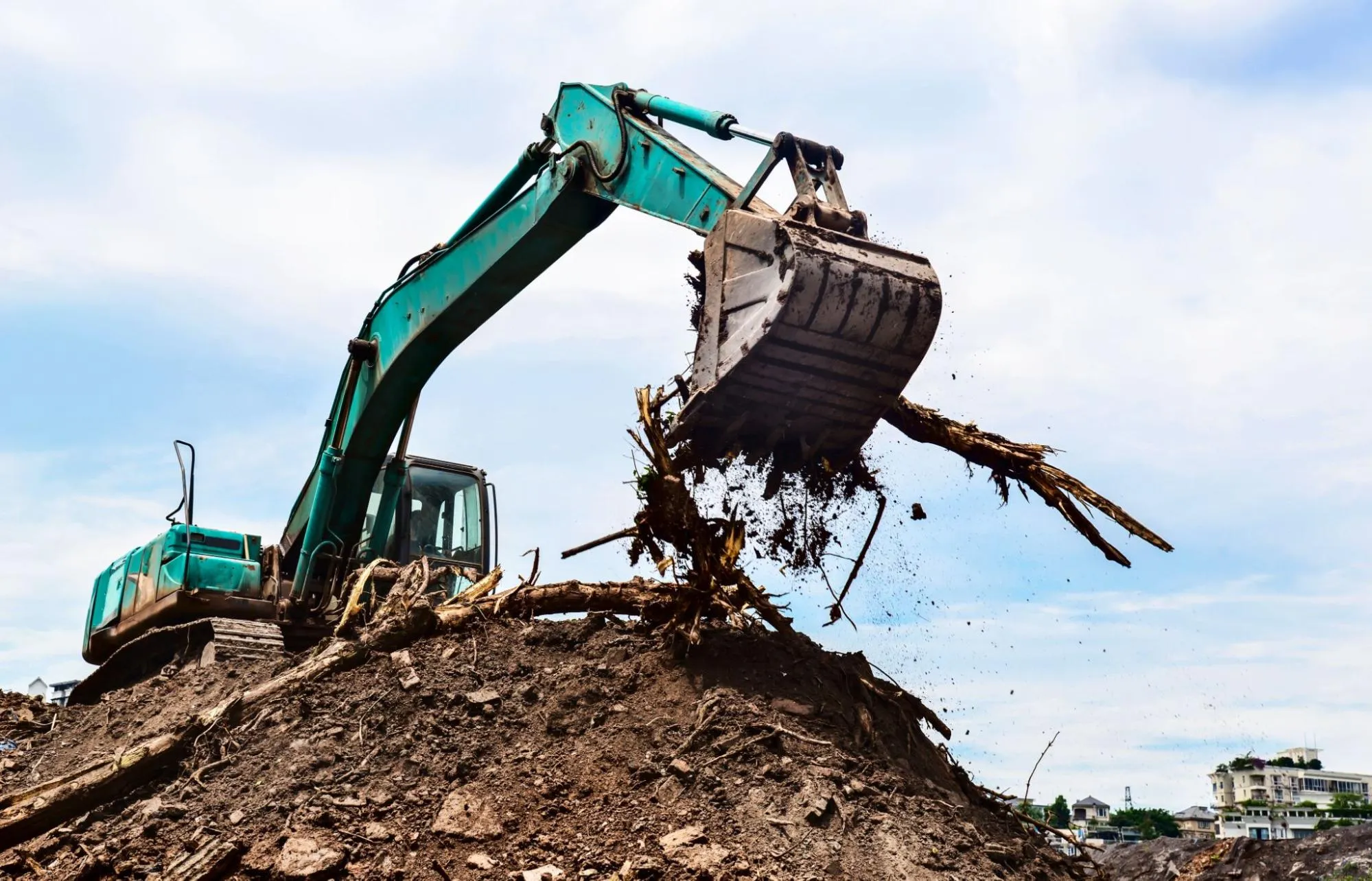
Tearing down a building looks simple from the outside. In practice, it’s one of the more involved construction projects a property owner will encounter, and most are surprised by how much preparation goes into it before a single wall comes down.
What is a demolition? It’s not simply about destruction. Demolition is a precise, regulated process that, when applied to old buildings or structurally compromised structures, demands careful planning, genuine expertise, and a real commitment to keeping workers and the surrounding area safe.
The demolition process covers structural analysis, hazardous materials management, environmental compliance, and construction projects at every scale, from smaller structures like single-family homes to large buildings and full industrial facilities.
Demolition is the process of destroying a building or structure using manual labor, heavy equipment, and in some cases, explosives. It applies across residential, commercial, and industrial projects. The tools, specialized equipment, and methods used vary considerably depending on the site and specific needs.
Demolition and deconstruction are not the same thing:
| Feature | Demolition | Deconstruction |
| Goal | Fast removal | Preserve materials for reuse |
| Speed | Faster | Slower |
| Cost | Generally lower | Generally higher |
| Waste generated | More | Significantly less |
Demolition clears land quickly for new construction. Deconstruction separates components carefully, so materials go toward recycling and reuse rather than waste.
Buildings, bridges, and other structures come down for a range of reasons. Knowing when demolition makes more sense than repair is an important part of sound project planning.
| Scenario | Why Demolition Makes Sense |
| Structurally damaged building | Repair costs exceed the building’s value |
| Urban redevelopment | Land needed for new construction in cities |
| Code violations | Structure can’t meet current standards |
| Natural disaster damage | Fire, flood, or earthquake damage beyond saving |
| Neglect or abandonment | Old buildings that are unsafe and unusable |
When combined repair, reinforcement, and code upgrade costs exceed a complete rebuild, demolition is typically the smarter call.
The most common approach for large buildings. Excavators, cranes, hydraulic hammers, and wrecking balls bring structures down using heavy equipment matched carefully to the scale of the job. For projects involving concrete demolition in Los Angeles, mechanical methods are almost always the primary approach.
Crews carefully remove specific sections while keeping the rest of the building intact. Dismantling preserves components and salvageable materials that can be reused in other construction projects, making it a practical option when a full teardown isn’t necessary.
Controlled demolition uses carefully placed explosives to bring down tall buildings in dense urban areas, directing the collapse inward by destroying load-bearing supports in a precise sequence. Building implosion demands extensive structural analysis and thorough preparation before demolition begins.
An eco-conscious alternative that removes materials methodically by type (concrete, wood, metal, insulation) with recycling and reuse as the primary goal. According to the EPA’s guidance on sustainable management of construction and demolition materials, proper deconstruction can significantly reduce demolition waste sent to disposal.
A demolition project doesn’t start with a wrecking ball. It starts with preparation. As OSHA’s preparatory operations standard (29 CFR 1926.850) requires, an engineering survey must be completed before any demolition work begins.
Step 1: Site Inspection and Structural Analysis Assess framing, floors, and walls, and identify any collapse risk across the entire structure.
Step 2: Obtaining Permits and Approvals. All necessary permits are secured from local authorities before demolition begins.
Step 3: Utility Disconnection Electric, gas, water, and sewer lines are shut off, capped, and utility companies are notified in advance.
Step 4: Hazard Removal Asbestos, lead, and all hazardous materials are safely removed before the main demolition work starts. The occupational health risks here are serious and non-negotiable.
Step 5: Planning and Safety Setup Barriers, safety protocols, protective equipment, and emergency plans are established. A safety officer enforces standards throughout.
Step 6: Execution The chosen method is carried out according to plan, with ongoing inspections at every stage.
Step 7: Debris Removal and Site Cleanup Debris is sorted, recycled where possible, and the site is cleared for what comes next, whether that’s new construction or foundation repair.
A demolition expert manages the complete project lifecycle, not just the machinery. Their role covers structural assessment, hazard identification, equipment selection, regulatory compliance, and coordinating waste and debris management from start to finish. The efficiency of the result depends entirely on the quality of preparation beforehand.
Demolition in Los Angeles and across the U.S. is governed by OSHA standards under 29 CFR Part 1926 Subpart T. As OSHA’s demolition standards page notes, unknown structural factors make demolition particularly hazardous without proper safety protocols in place.
Core requirements include protective equipment such as hard hats, respirators, and high-visibility clothing; perimeter barriers; systems to control dust and protect the surrounding area; fire and evacuation plans; and ongoing site inspections as work progresses.
According to the EPA’s construction and demolition debris data, approximately 600 million tons of construction and demolition debris were generated in the U.S. in 2018, more than twice the amount of municipal solid waste that year. Responsible waste management at that scale isn’t optional.
Modern demolition practice addresses this through recycling concrete, steel, and wood; proper hazardous material disposal per EPA regulations; water systems to control dust; and deconstruction methods that divert substantial debris from landfill.
Key cost factors include:
Get quotes from multiple licensed, insured contractors before committing. Price alone shouldn’t drive the decision.
Start with referrals, then check Google, Yelp, and the Better Business Bureau for reviews. Your local building department can also provide a list of licensed contractors in your area. When evaluating a company, verify licensing and insurance, ask about experience with your specific project type, review their safety record, and look for clear, direct communication.
| Myth | Reality |
| “It’s just knocking buildings down.” | Permits, utility disconnection, and hazmat removal all come before equipment arrives. Preparation takes weeks. |
| “All demolition is the same.” | Mechanical, selective, implosion, and deconstruction each carry different costs, timelines, and skill requirements. |
| “It’s always cheap and fast.” | Proper demolition work takes real time and money. Skipping necessary permits creates serious legal liability. |
| “No environmental impact.” | Hazard control, dust management, and active recycling are standard practices for responsible contractors. |
Understanding what a demolition is and what it genuinely takes to carry one out safely is the right starting point for any project involving structure removal. It’s a technically demanding, regulated process that requires careful planning, the right expertise, and full compliance with safety and environmental requirements.
Whether dealing with a compromised structure, clearing land, or undertaking a larger overhaul, consult experienced excavation contractors who understand the complete scope before you begin. The right team, involved early, makes everything that follows safer and more manageable.
Cutting corners on permits, hazard removal, or site preparation doesn’t save time. It creates liability, delays, and risk that compound quickly once work is underway. Getting the process right from the start is what separates a clean, compliant project from one that stalls halfway through.
