

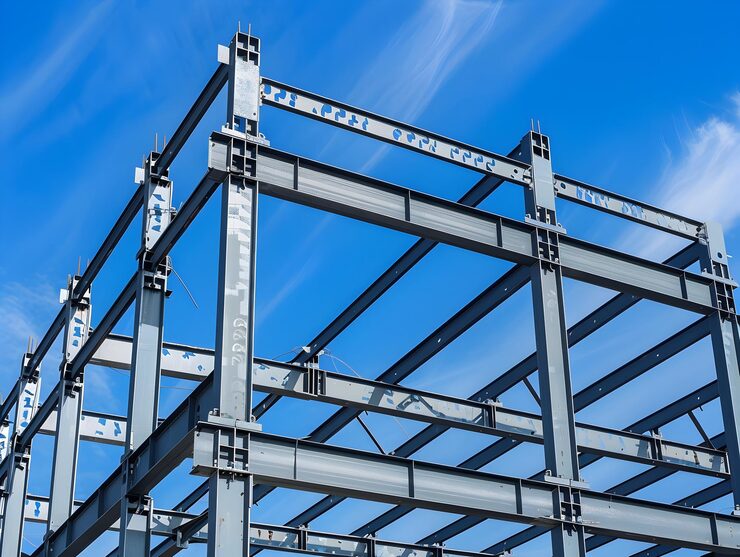
Cold-formed steel is thin sheet steel shaped at room temperature, while structural steel produced is thick, hot-rolled steel used for heavy-load framing and large buildings.
Both materials are popular in the construction world, but they perform very differently. If you’re planning an upcoming project, knowing where each one fits makes design easier and avoids costly mistakes.
Below is a simple, clear comparison to help you choose.
Cold-formed steel is sheet steel bent into c sections, studs, or joists without heat.
It’s lightweight, strong for its size, and ideal for cold-formed steel framing in walls, ceilings, and roof trusses.
Because it’s shaped cold, it offers many advantages. It keeps a uniform shape, giving contractors predictable performance and faster installation on any job site.
Cold-formed steel is valued for its cost-effective performance, clean installation, and numerous advantages, including speed and space planning.
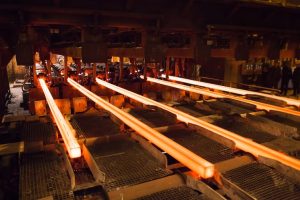
Structural steel is a heavy, hot rolled new steel products used in structural steel framing for large loads and lengthy spans.
It’s commonly found in bridges, warehouses, and high-rise buildings, including some of the world’s tallest buildings.
Because it’s hot-rolled, it can be formed into other shapes, such as I-beams, channels, angles, and wide flanges, perfect for resisting greater loads and traveling long distances.
Structural steel is the backbone of heavy and durable construction materials, especially when building requirements demand maximum strength and safety.
Cold-formed steel and structural steel serve distinct roles in construction, despite both being strong and reliable materials.
Their methods, load capacities, applications, significant advantages, and overall flexibility vary significantly.
Understanding these differences helps you select the appropriate steel type for your building’s specific needs, budget, and long-term performance.
| Feature | Cold Formed Steel | Structural Steel |
| Manufacturing Process | Made by bending formed steel sheets at room temperature; exact manufacturing | Produced by hot-rolled methods, structural steel is produced under high heat for heavy-duty applications |
| Strength | Strong, but limited for heavier loads | Extremely high strength, suitable for heavier loads |
| Weight | Cold-formed steel is light and easier to handle | Heavy gauge material per section |
| Applications | Wall studs, floor joists, small-to-mid-rise building projects | Beams, columns, and typical structural frameworks |
| Flexibility | Great for smaller shapes and quick changes | Excellent design flexibility for complex forms and durable spans |
| Cost | More cost-effective for small and mid-size jobs | Higher cost, but needed for large-scale work |
| Fire Resistance | Naturally non-combustible with a protective coating | Strong fire resistance; can require additional coatings |
| Design Tolerance | Precise steel shapes; tight design limits | Greater design opportunities in large assemblies |
Here’s the simplest way to decide between cold-formed steel and structural steel:
Choose Cold Formed Steel if:
The difference between cold-formed steel and structural steel mostly comes down to scale.
Cold-formed steel is ideal for precision, speed, and light framing.
Structural steel is the leading choice when strength, durability, height, and heavy-duty performance are required.
Internal tip: If your design includes shoring or retaining structures, check outretaining walls in Los Angeles, CA,concrete pumping in Los Angeles, orfoundation repair in Los Angeles, CA, for related services.
Cold-formed steel and structural steel are both excellent building materials, serving different roles. Cold-formed steel is precise, lightweight, and ideal for efficient framing, while structural steel is capable of handling massive loads, long spans, and demanding construction requirements.
Understanding the cold-formed steel vs structural steel comparison helps you match the right material to your next project, avoid overall reduction in safety, and make smarter decisions about cost and performance.
If you need help choosing materials for your typical structure, want advice on construction materials, or are planning your upcoming build, just let the experts know!