What Is Rough Grading?
The first step of the grading process is called rough grading. As the name suggests, the main objective of this process is to prepare a foundation for the fine-grading method. It creates an equally levelled and surfaced base for the fine grading equipment to complete the next step.
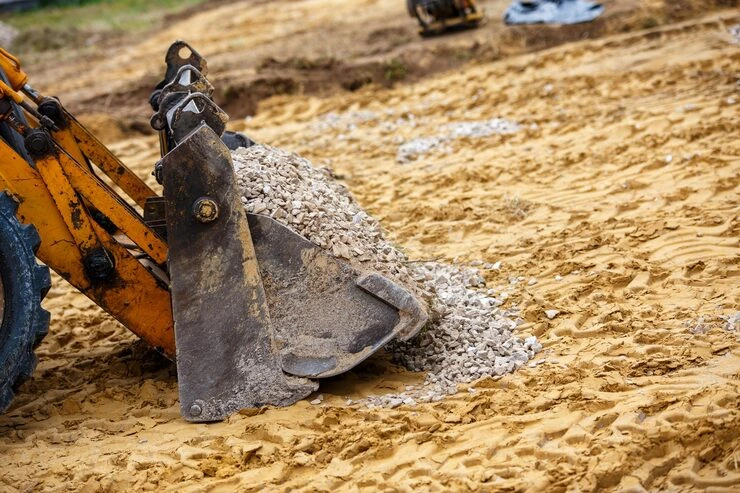
During this process, heavy-duty earth-moving equipment such as bulldozers, excavators, and graders will move and remove the sand, debris, and rocks. Once it is moved or removed, the graders will walk on the land’s surface to provide an even, smooth and hard foundation. This is necessary to ensure the surface is hard enough for heavy-duty work. This process also entails creating fine slopes for proper drainage.
Objectives of Rough Grading
As discussed above, rough grading lays the foundation for the fine-grained and construction machines. The main objectives of rough grading are:
- Creating smooth slopes for proper drainage and flow of water.
- Creating a solid and equal foundation for buildings and other construction projects.
- Preparing the surfaces for roads, highways, or utility installations.
If you are looking for foundation repair in Los Angeles, then opt for rough grading.
Once rough grading is completed, we move to the next step, fine grading or finish grading.
What Is Finish/Fine Grading?
Finish or fine grading is the next step in the grading process. As the name suggests, this method finishes the foundation laid by rough grading in the first step. While rough grading uses heavy-duty machines to move or remove the soil, debris and stones, fine grading uses more sophisticated machinery to give the land a fine and finished touch.
This process is more about precision than broad adjustment. The land is so adjusted that it gets a smoother, equal, and finer surface to lay the foundation for the buildings. Contractors use smaller excavators and grading machines to remove leftover stones or sand from the area. Later, rollers are used to give the surface an even look. This process also works on slopes as per the design plans.
Objectives of Fine Grading
The main objective of the fine grading is to give the land an even and pleasing surface. Some of the main goals are:
- Creating a smooth, even surface for landscaping, paving, or flooring.
- Ensuring proper drainage away from the building foundation.
- Meeting the exact elevations needed for roads, sidewalks, and finished landscaping.
- Achieving compliance with local construction codes and inspection standards.
This type of grading is generally used for commercial and residential buildings where precision is essential.
Key Differences Between Rough and Finish Grading
While rough and fine grading methods complement each other, they have some significant differences. The experts offering professional services for grading in Los Angeles explain the differences are based upon the scope of work, precision, timing, equipment used, compliance, and the results. Let’s discuss each one in detail:
Scope of Work
Rough grading is basically the first step for moving large amounts of soil and stones. The purpose of this grading is preparing the foundation for fine grading. Fine grading, on the other hand, is about precision and details. It involves moving a little amount of soil and stone, but it gives the land a smoother surface.
Precision
Rough grading is more about creating a general shape to support proper stability, and it is generally approximate. Fine grading is more about precision and accuracy. It requires accuracy even in the scale of inches and millimetres. Therefore, fine grading gives more precise results than rough grading.
Timing
Rough grading is conducted at the beginning of the construction project. It starts right after clearing and excavation. Fine grading is finished grading, which is done at the end of the construction process, usually after the construction has been completed.
Materials and Equipment
Rough grading generally moves a lot of soil, trash, and rocks so that it will use heavy equipment such as bulldozers, scrapers, and excavators. And fine grading is more about details and precision; thus, this process uses smaller equipment like grading rakes, laser levels, and fine-tuned machinery.
Inspection and Compliance
Rough grading may not always require detailed inspections, but it is checked to ensure the site is ready for construction. Finish grading is subject to closer scrutiny. Inspectors often verify that the final surface elevations meet construction standards and building codes.
End Result
The purpose of rough grading is to remove larger objects and heavy quantities of material; thus, the final result is a clearer surface. Conversely, fine grading deals with giving the land a smoother and more precise surface. Therefore, the results here are more accurate.
Common Challenges in Grading

While grading, be it rough or fine, looks simple, there are some challenges this process faces. Below are some of the challenges that may affect the grading process:
Soil Conditions
The quality of the grading process largely depends on the soil conditions. Some soil, like clay, is slippery and may shrink with moisture. On the other hand, sandy soil may not compact properly. To overcome this issue, contractors need to mix different soil types as well as some added material to give the surface a fine look.
Drainage Problems
One of the big objectives of grading is ensuring safe and secure drainage, but if the slopes are not calculated properly, it may result in water flowing into lower areas. This water may sometimes pour around the foundation and may weaken the building. Therefore, it is essential to calculate the slopes with precision.
Equipment Limitations
Rough grading and acceptable grading use specialised and sophisticated equipment and machinery. Unavailability of this equipment may not give the desired results or may delay the grading and construction process. One can definitely opt for equipment rental in Los Angeles, but the speed of the work still depends on when the equipment is available.
Inspection and Compliance
Both types of grading have different compliances and inspections, and failing to comply with those may delay the construction work. Therefore, reading the compliance and following the design carefully is essential.
Coordination with Other Suppliers
Grading contractors must work with other suppliers, such as concrete suppliers, building material suppliers, etc. They all must have transparent communication. Construction is teamwork, teamwork, and even a single miscommunication may result in faulty construction.
Addressing these challenges and issues requires no expertise or rocket science knowledge; taking small steps and looking after small things can make a huge difference. One must address these challenges before they turn into nightmares.
Conclusion
Grading is a process that lays the foundation of any construction project. The project starts with rough grading and ends with finished grading. For this reason, these processes should be handled with great care and precision.
Though these processes may appear similar, they have some differences based on various characteristics, and we discussed the same in this blog. Start with a proper grading process, which will ensure your construction project is completed on time and with great accuracy.