Contact Us
18717 Parthenia St #10,
Northridge, CA 91324, United States

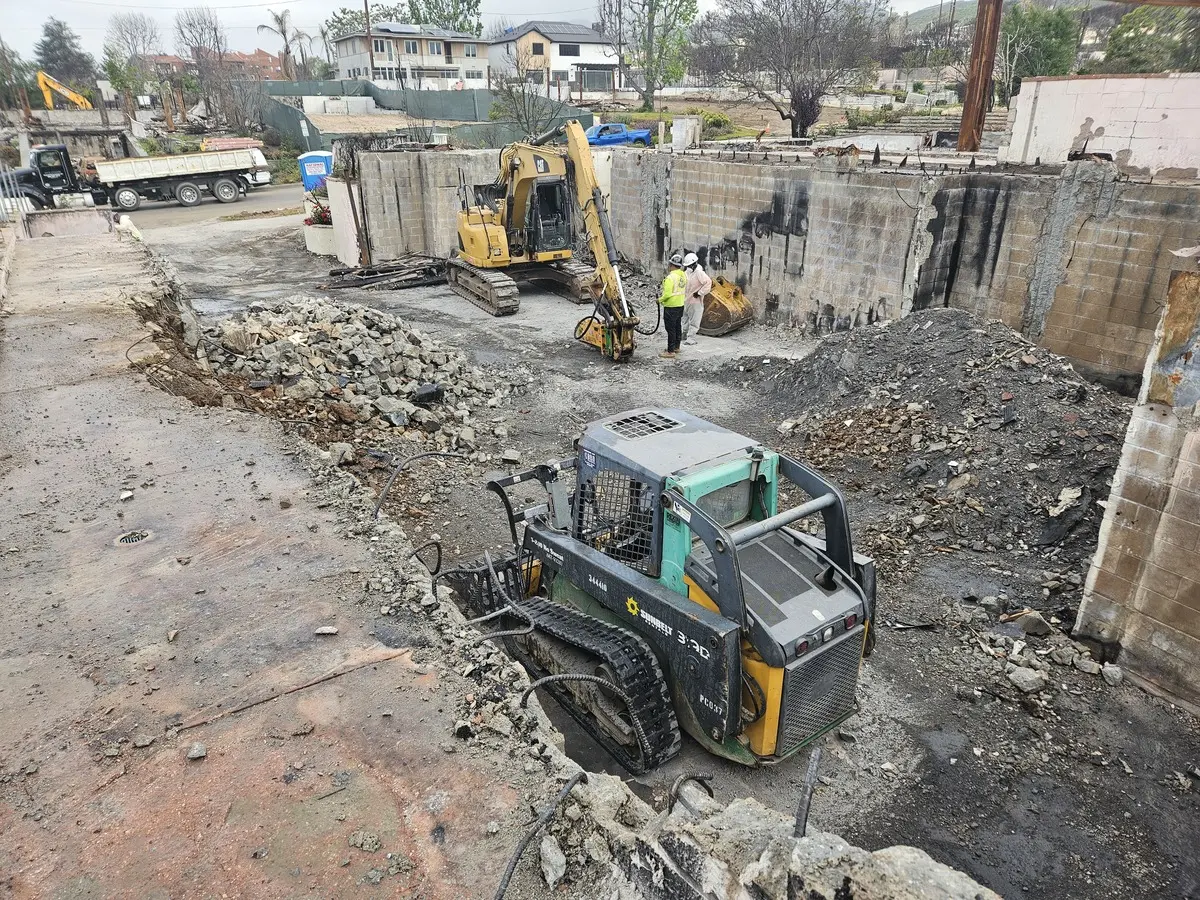
The type of demolition you pick decides how a structure comes down, what equipment shows up, and how much of the site gets a second life afterward. Get it wrong on a bid or a plan, and budgets blow up fast. Timelines follow right behind them.
No two construction or remodeling jobs call for the same teardown approach. A kitchen gut job needs something totally different from a full structural teardown, and a driveway removal is its own animal entirely. Each one demands different demolition project methods, equipment, and permitting.
Below is a breakdown of the main types, how crews carry them out, and how to match the right one to your job, whether that’s a quick interior strip-out or a full teardown ahead of new construction.
At its core, demolition is the planned removal of a structure, a section of a building, or a site element. That range runs wide: tearing out a single wall on one end, leveling an entire building on the other.
Walk onto most job sites, and the demolition work falls into one of a handful of buckets.
Which method wins out depends on project size, site accessibility, safety concerns, and the materials you’re dealing with.
Structural stability is the thread running through every one of these choices. University of Cincinnati structural engineering professor Gian Rassati put it plainly after analyzing a bridge demolition collapse: “During deconstruction… you need to make sure the rest of the structure remains stable,” he explained. That holds just as true for a building as it does for a bridge.
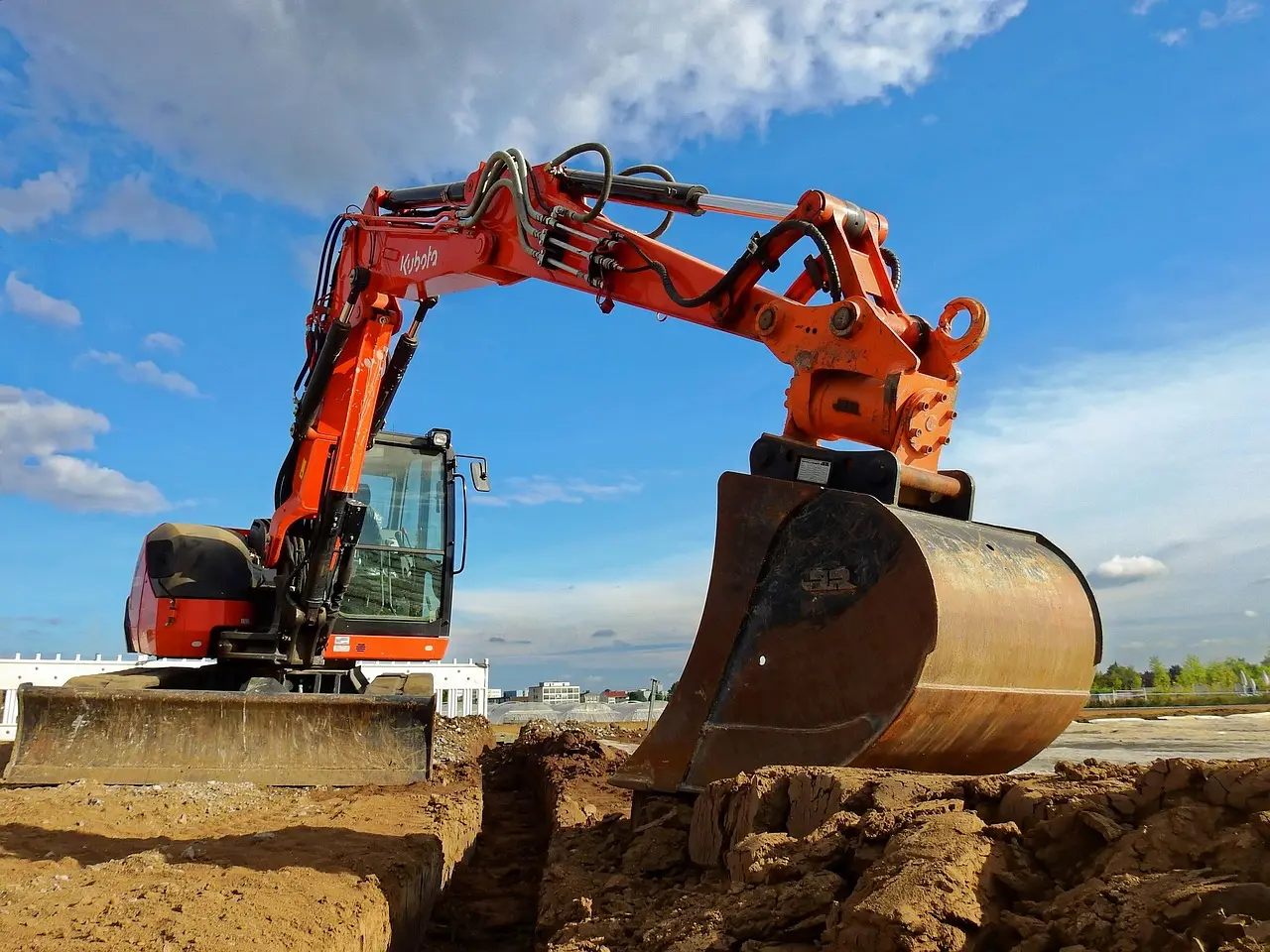
Forget personal preference. The right approach comes down to project goals, site conditions, and safety concerns instead.
A professional site assessment before anything starts catches most of these problems early, preventing them from becoming expensive surprises. Even a short walkthrough with an experienced crew tends to surface access issues or utility conflicts that a paper plan would completely miss.
Before a single wall comes down, demolition planning has to account for hazards, debris, utilities, and whatever the local building department requires.
The scale here is bigger than most people realize. The EPA’s data on construction and demolition debris puts the 2018 U.S. total at roughly 600 million tons, more than double the municipal solid waste generated that year. That’s exactly why a disposal plan matters just as much as the teardown itself.
Different projects, different demolition types. Here’s how that actually plays out on the ground.
There’s no flat rate here. Demolition pricing varies with the project, and a handful of variables push it up or down. Two structures that look similar in size can end up with wildly different price tags once material, access, and disposal costs are factored in.
Labor availability and how fast local permits get reviewed can shift a timeline just as much as the actual demolition work. Building in a buffer is worth it.
Plan it, permit it, match it to the structure. Skip that step, and that’s usually where cost overruns and safety incidents start.
Matching the demolition type to the structure, locking down permits early, and planning for disposal before work begins covers most of what separates a smooth project from a stalled one.
Most property owners start with a concrete contractor in Los Angeles who can look at the site and recommend the right approach. From there, demolition in Los Angeles crews take over permitting and hazard removal, while concrete demolition in Los Angeles specialists handle the slab, driveway, and foundation work specifically.
A few quick answers to what comes up most before a project gets started.
Selective demolition removes specific components of a structure while leaving the rest intact, which is why it shows up so often in remodels and renovations.
That depends on the structure, but manual and mechanical demolition generally carries fewer risks than implosion does on complex sites.
Timelines run anywhere from a few days for interior work to several weeks for total demolition, depending on size and site conditions.
Yes. Most demolition projects need a licensed contractor to handle permitting, safety planning, and proper debris disposal.
